Transforming Your Garden: The Art of Edible Landscaping in Modern Design
- David Michell
- Sep 1, 2025
- 4 min read

Edible landscaping is becoming increasingly popular as it combines beauty with practicality. Imagine stepping outside and finding fresh produce ready for your next meal, all while enjoying a stunning garden. This approach not only enhances your outdoor space but also brings fresh flavors right to your kitchen. In this post, we will explore what edible landscaping is, its benefits, and how you can successfully implement it in your garden.

Understanding Edible Landscaping
Edible landscaping blends edible plants with traditional ornamental plants. This method allows you to enjoy blooming flowers, lush foliage, and homegrown fruits, vegetables, and herbs. Globally, cultures have embraced this concept for centuries, but it’s gained traction recently as more people aim for sustainable and eco-friendly gardening.
This combination of aesthetics and utility encourages a richer connection to nature, promoting healthier lifestyles and an appreciation for food origins.
Benefits of Edible Landscaping
1. Aesthetic Appeal
One of the greatest advantages of edible landscaping is its visual charm. By selecting plants with varying colors, textures, and heights, you can design a beautiful garden that is functional and stunning. For instance, pairing bright red cherry tomatoes with fragrant purple basil and vibrant yellow marigolds not only enhances visual appeal but also attracts beneficial insects, which can help with pest management.
2. Fresh Produce at Your Fingertips
Having fresh produce readily available is another major benefit. Picture the joy of stepping outside to pick ripe strawberries or snipping fresh rosemary for your dinner. According to studies, incorporating fresh fruits and vegetables into daily meals contributes to improved nutrition, reducing the risk of chronic diseases. This convenience not only encourages healthier eating but also lowers your carbon footprint—transporting food from farm to table can account for up to 25% of greenhouse gas emissions.
3. Environmental Benefits
Edible landscaping promotes biodiversity and supports local ecosystems. By planting a variety of edible species, you attract crucial pollinators like bees and butterflies. For example, adding a few bee-friendly plants can increase pollinator populations by up to 50%. Furthermore, many edible plants are drought-resistant and require less maintenance than conventional ornamental varieties, making them a smart choice for sustainability.
4. Educational Opportunities
Incorporating edible plants can provide significant educational benefits for both children and adults. Gardening teaches valuable lessons about responsibility, patience, and nutrition. Research shows that children involved in gardening are more likely to try new fruits and vegetables, fostering healthier eating habits from an early age.
Designing Your Edible Landscape
1. Assess Your Space
Before diving into the world of edible landscaping, take stock of your available space. Consider sunlight, soil quality, and existing structures. A simple soil test can reveal pH levels and nutrient content, guiding you in choosing plants that will thrive. For example, if your garden gets at least six hours of sunlight daily, it’s a great spot for sun-loving vegetables like peppers and tomatoes.
2. Choose the Right Plants
The selection of plants is crucial to a successful edible landscape. Mixing fruits, vegetables, herbs, and edible flowers can yield a diverse and productive garden. Some recommended plants include:
Fruits: Strawberries, blueberries, and dwarf fruit trees are excellent options. Blueberries can produce up to 8-10 quarts of fruit per bush.
Vegetables: Tomatoes, peppers, and leafy greens are popular choices. A well-planted garden bed can yield over 100 pounds of vegetables each season.
Herbs: Basil, rosemary, and mint add flavor to dishes. Fresh herbs can enhance meals and are relatively easy to grow.
Edible Flowers: Nasturtiums, pansies, and calendula add beauty and can be used in salads.
When choosing plants, consider how they interact. For example, taller plants can shade shorter ones, allowing you to utilise vertical space effectively.
3. Create Zones
Enhance the functionality of your edible landscape by creating distinct zones for various types of plants. A sunny section can be dedicated to vegetables, while a shadier area could be ideal for herbs and a decorative border for edible flowers. Zones help with organising your garden and ensuring that each type of plant gets the right care.
4. Incorporate Hardscaping Elements
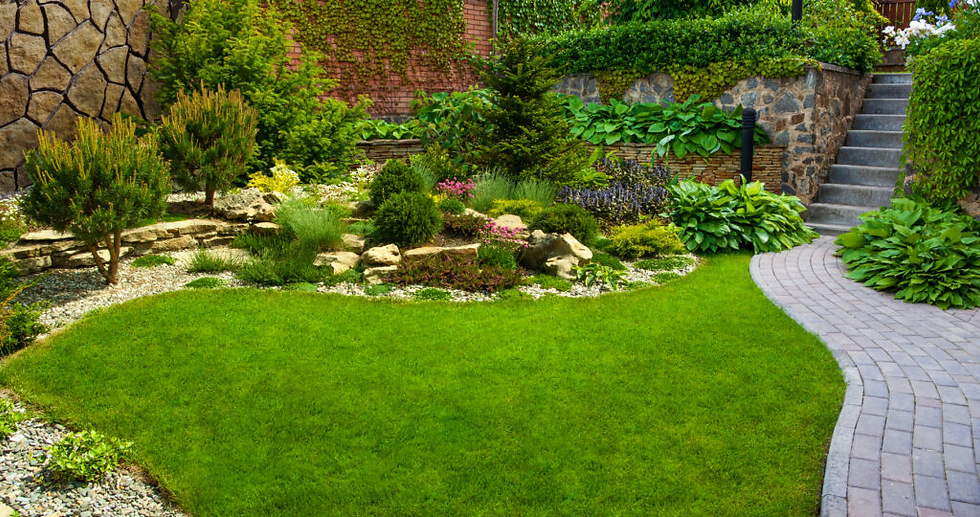
Adding hardscaping features like patios, pathways, and raised beds adds to the garden's overall design and provides practical benefits. For instance, raised beds can improve drainage and make it easier to tend to plants, while pathways help to establish structure in your garden. Choosing materials like stone or brick can also create a visually appealing contrast to greenery.
5. Plan for Maintenance
Even though edible landscaping can be low-maintenance, it still requires some upkeep. Plan for regular tasks such as watering, pruning, and harvesting. Implementing sustainable practices like composting and utilising organic fertilisers can keep your garden vibrant and productive.
Embracing Your Edible Oasis
Edible landscaping presents an exciting fusion of beauty and utility in modern garden design. You can cultivate a stunning outdoor space filled with fresh produce and support local ecosystems.
No matter the size of your outdoor space—whether a small balcony or a spacious backyard—countless ways exist to incorporate this approach. With thoughtful planning and creativity, you can craft a lively and productive garden that nourishes both your body and spirit.
As you take your first steps into edible landscaping, embrace the joy of the process and the connection to nature that gardening brings. Happy planting!


Comments