Garden Privacy Ideas: Designing a Calm and Secluded Outdoor Space
- David Michell
- Jan 7
- 3 min read

A private garden offers more than just visual screening — it creates a calm environment where you can relax, entertain, and enjoy the outdoors without interruption. Whether you live in a busy neighbourhood or simply want to define your boundaries more clearly, smart planting choices can transform your garden into a peaceful retreat. With the guidance of an experienced landscaper, you can design a space that balances beauty, function, and long-term privacy.
Thoughtful planting combined with practical structures allows homeowners to enjoy outdoor living while maintaining comfort and seclusion throughout the year.
Understanding Privacy in Garden Design
Privacy in the garden is achieved by controlling sightlines, reducing noise, and creating a sense of enclosure. This doesn’t mean closing the space off completely — instead, it’s about shaping the environment so it feels intimate and welcoming. Effective garden design & landscaping focuses on how different elements work together, including plant height, density, seasonal changes, and layout.
A landscaper will consider your garden’s orientation, size, soil conditions, and how you use the space before recommending planting solutions. This expert approach ensures your privacy features grow well, remain manageable, and enhance the overall design rather than overwhelm it.
Choosing Plants That Provide Natural Screening
Plants are one of the most attractive ways to introduce privacy, offering a softer and more natural alternative to fencing alone. When chosen carefully, they can deliver year-round coverage while adding colour, texture, and wildlife interest.
Evergreen hedges are a popular option because they retain foliage in all seasons. They form dense barriers that block unwanted views and can be shaped to suit both formal and informal gardens. Regular hedge trimming helps maintain structure, encourages healthy growth, and prevents plants from becoming sparse or overgrown.
Fast-growing shrubs and ornamental grasses are ideal for homeowners looking for quicker results. These plants establish rapidly and add movement and depth to garden borders. When layered with lower planting, they create an effective screen without feeling heavy or imposing.
For smaller gardens or patios, vertical planting is a practical solution. Climbers trained along fences, trellises, or pergolas make excellent use of limited space. They soften hard surfaces while adding privacy at eye level, making them perfect for seating and dining areas.
Layered Planting for a Balanced Look
One of the most effective privacy techniques is layered planting. This involves positioning taller plants at the back of borders, mid-height shrubs in the centre, and lower plants at the front. This approach provides better screening while maintaining visual interest and a natural flow.
Layered planting also allows light to move through the garden more effectively than a single dense hedge. It creates a sense of depth, making even small gardens feel more spacious and thoughtfully designed.
Incorporating Garden Walls and Structural Features
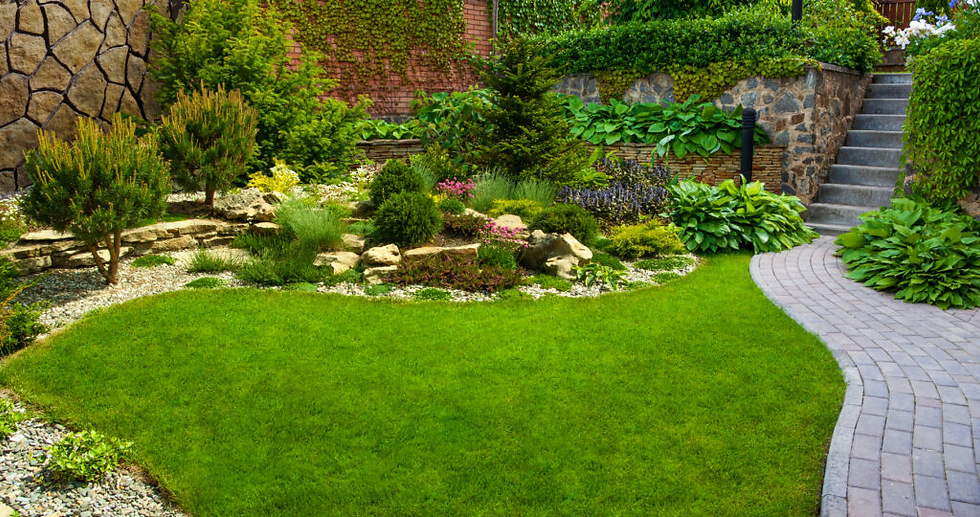
While plants are essential, structural elements often provide instant privacy and long-term durability. Garden walls are particularly effective at defining boundaries and shielding outdoor areas from neighbouring views. They can be constructed from brick, stone, or rendered finishes to suit the style of your home and garden.
To soften their appearance, walls can be paired with climbing plants or raised beds. This blend of hard and soft landscaping adds character while keeping the space feeling natural rather than enclosed.
Trellises and pergolas are also valuable features for privacy. When positioned strategically, they frame seating areas and walkways while supporting climbing plants that enhance screening over time. These features allow light and air to circulate while still creating a sense of separation.
Maintaining Privacy Planting Long Term
Creating privacy is not a one-off task — ongoing care is essential to keep planting healthy and effective. Regular hedge trimming ensures even growth and prevents gaps from forming. Seasonal pruning encourages stronger plants and keeps them in proportion with the rest of the garden.
Watering, mulching, and soil care are equally important, particularly during the first few years after planting. Well-maintained plants grow thicker and last longer, providing consistent privacy and improving the overall appearance of your outdoor space. A professional landscaper can offer ongoing maintenance services, ensuring your garden continues to perform as intended throughout the seasons.
Final Thoughts
Garden planting for privacy is about more than hiding boundaries — it’s about shaping a space that feels calm, comfortable, and enjoyable. With expert garden design & landscaping, the right mix of planting, carefully placed garden walls, and consistent hedge trimming, any outdoor area can become a peaceful sanctuary.
By planning carefully and investing in quality planting solutions, you can enjoy a private garden that enhances both your home and your lifestyle for years to come.


Comments