Creating Beautiful Landscapes on Sloped Yards: Tips from Professional Landscapers
- David Michell
- Dec 15, 2025
- 3 min read

Sloped yards often present a challenge for homeowners and gardeners alike. Uneven terrain can complicate garden design, outdoor living spaces, and garden maintenance. Yet, with the right approach, a sloped yard can become a stunning feature that adds character and value to any property. Professional landscapers understand how to transform difficult slopes into functional and attractive gardens. This post explores practical landscaping ideas and expert tips to help you make the most of your sloped outdoor space.

Understanding the Challenges of Sloped Yards
Slopes affect water drainage, soil erosion, and accessibility. These factors influence what plants will thrive and how outdoor features like patios or fencing can be installed safely. Without proper planning, a sloped garden can become difficult to maintain and less enjoyable to use. Local landscapers often recommend assessing the slope’s angle and soil type before starting any garden design or landscaping project. This initial step helps in choosing the right materials and plants that suit the terrain.
Using Terracing to Manage Slopes
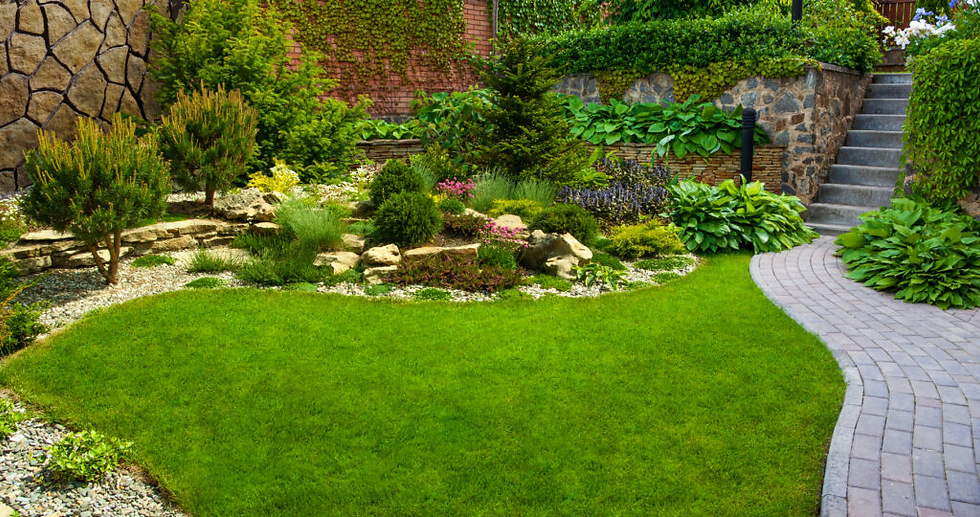
Terracing is one of the most effective landscaping techniques for sloped yards. It involves creating flat, level areas or steps on the slope, which reduces soil erosion and makes garden maintenance easier. A professional landscape gardener can design terraces using retaining walls made from stone, timber, or concrete blocks. These terraces provide distinct garden zones for planting, paving, or installing a patio.
Terraces also offer a chance to incorporate fencing for safety and privacy. For example, a low fence along the edge of a terrace can prevent falls while adding a decorative element. When combined with paving, terraces create inviting outdoor spaces that blend functionality with beauty.
Selecting Plants for Sloped Gardens
Choosing the right plants is crucial for stabilizing soil and enhancing the garden’s appearance. Ground covers with deep roots, such as creeping juniper or ivy, help hold the soil in place. Shrubs and small trees suited to your local climate can add structure and color without requiring excessive garden maintenance.
Professional landscapers often suggest grouping plants with similar water and sunlight needs together. This approach simplifies gardening and ensures each plant thrives. Additionally, planting native species supports local wildlife and reduces the need for extra watering or fertilizers.
Incorporating Paving and Patios on Slopes
Creating paved paths or patios on a slope requires careful planning to ensure safety and durability. A landscape gardener will recommend materials that provide good traction and withstand weather conditions. For example, textured stone or brick paving can prevent slips and add visual interest.
Patios on sloped yards often use retaining walls to create level platforms. These spaces become perfect for outdoor dining or relaxing. Adding outdoor lighting along paved areas improves usability after dark and highlights the garden design.
Fencing Solutions for Sloped Properties
Fencing on sloped land must accommodate changes in elevation while maintaining stability. Professional landscapers suggest using stepped or racked fencing styles that follow the slope’s contour. This method avoids gaps and uneven heights that can occur with traditional fencing.
Fencing also defines garden boundaries and enhances security. Choosing materials like wood or metal depends on the desired look and local climate. A well-installed fence complements the overall landscape and supports garden maintenance by keeping out unwanted animals.
Garden Maintenance Tips for Sloped Yards
Maintaining a sloped garden requires specific strategies to prevent erosion and keep plants healthy. Mulching around plants helps retain moisture and reduces weed growth. Regularly checking terraces and retaining walls for signs of wear ensures the garden remains safe and attractive.
Professional landscapers recommend installing irrigation systems designed for slopes to deliver water evenly. This prevents runoff and ensures all plants receive adequate hydration. Seasonal pruning and soil testing also contribute to a thriving garden.
Working with Local Professionals for Best Results
Hiring a local landscaper or landscape gardener brings valuable expertise to your sloped yard project. They understand regional soil conditions, plant varieties, and climate challenges. A professional team can provide tailored garden design ideas that fit your lifestyle and budget.
Collaborating with experts also saves time and reduces costly mistakes. From initial planning to installation and ongoing garden maintenance, local landscapers offer comprehensive support. Their knowledge of fencing, paving, and patio construction ensures your outdoor space is both beautiful and functional.


Comments