The Future of Landscaping: How AI Can Transform Your Yard into a Smart Oasis
- David Michell
- Jan 7
- 4 min read

A well-maintained garden or outdoor space reflects not only the homeowner’s taste but also their lifestyle. Yet, busy schedules often leave little time for regular gardening or garden maintenance. Fortunately, the rise of AI-managed yards offers a practical solution. By integrating smart technology into landscaping, homeowners can enjoy a thriving garden without the constant effort. This post explores how AI can revolutionise your yard, making it a smart oasis tailored to your needs.
How AI Enhances Landscaping Efficiency
Landscaping involves many tasks, from planting and pruning to paving and fencing. Traditionally, homeowners rely on a landscaper or landscape gardener to keep their outdoor space in top shape. However, AI technology now supports these professionals and even empowers homeowners to manage their yards more effectively.
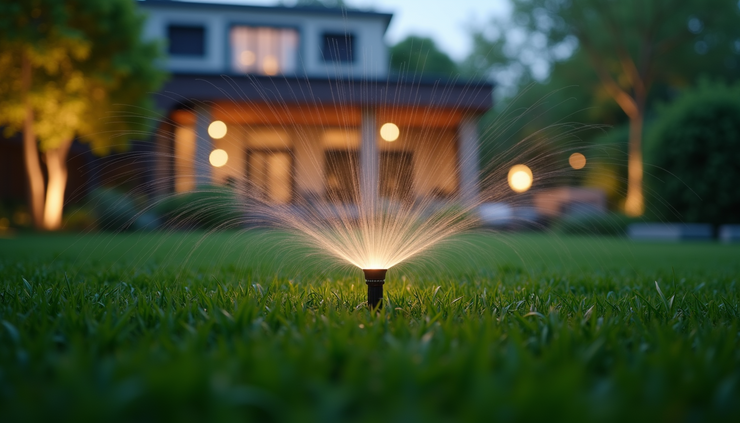
AI systems can monitor soil moisture, sunlight exposure, and weather conditions in real time. This data allows smart irrigation systems to water plants precisely when needed, reducing water waste and promoting healthier growth. For example, if rain is forecasted, the system delays watering, saving resources and preventing overwatering.
Moreover, AI-powered garden design tools help visualise changes before implementation. Homeowners can experiment with different layouts, paving patterns, or patio designs digitally, ensuring the final result matches their vision. This technology supports local landscapers by providing clear plans, reducing errors during installation.
Smart Garden Maintenance with AI
Garden maintenance often demands regular attention, including mowing, weeding, and pest control. AI-driven robots and sensors simplify these chores. Robotic lawn mowers navigate the yard autonomously, trimming grass evenly without human intervention. Sensors detect weed growth or pest activity early, alerting homeowners or landscapers to take action promptly.
These innovations reduce the need for frequent visits from professional landscapers, saving time and money. Additionally, AI systems can schedule maintenance tasks based on plant species and seasonal requirements, ensuring the garden remains healthy year-round.
Integrating AI with Outdoor Features
Beyond plants, outdoor spaces include elements like fencing, paving, and patios that contribute to the overall landscape design. AI can assist in monitoring and maintaining these features as well. For instance, smart sensors embedded in fencing detect damage or wear, notifying owners before problems escalate.
Paving and patio areas benefit from AI through weather-responsive cleaning schedules or lighting adjustments. Motion sensors can activate outdoor lights only when someone is present, enhancing security and energy efficiency. These smart features create a seamless outdoor experience that adapts to the homeowner’s lifestyle.
Benefits of AI for Local Landscaping Professionals
Local landscapers and landscape gardeners gain significant advantages by adopting AI technology. It allows them to offer more precise garden design and maintenance services, backed by data-driven insights. AI tools help professionals optimise resource use, such as water and fertilizers, improving sustainability.
Furthermore, AI streamlines communication between homeowners and landscapers. Clients receive real-time updates on garden conditions and maintenance schedules, fostering transparency and trust. This collaboration results in better outcomes and higher satisfaction for both parties.
Practical Examples of AI in Gardening
Several real-world examples demonstrate AI’s impact on gardening:
Smart irrigation controllers adjust watering based on soil sensors and weather forecasts, reducing water consumption by up to 30%.
Robotic lawn mowers operate quietly and efficiently, maintaining lawns without disturbing the household.
AI-powered garden design apps allow users to visualise new fencing or patio layouts, making decisions easier and more confident.
Pest detection sensors identify harmful insects early, enabling targeted treatment that protects plants without excessive chemical use.
These technologies are becoming more accessible, making it easier for homeowners to adopt smart landscaping solutions.
Choosing the Right AI Solutions for Your Yard
Selecting appropriate AI tools depends on your garden’s size, design, and specific needs. Consulting a professional landscaper familiar with smart technology can help tailor solutions effectively. Consider the following when planning your AI-managed yard:
Identify key areas needing automation, such as irrigation or lawn care.
Evaluate compatibility with existing garden features like fencing or patios.
Prioritise user-friendly systems that allow easy monitoring and control.
Look for local providers offering installation and ongoing support.
By making informed choices, homeowners can maximise the benefits of AI while preserving the unique character of their outdoor space.
The Role of AI in Sustainable Landscaping
Sustainability is a growing concern in gardening and landscaping. AI contributes by optimising resource use and reducing environmental impact. Smart watering systems prevent overuse of water, while AI-guided fertilisation applies nutrients only when necessary.
Additionally, AI can recommend native plants suited to local climates, promoting biodiversity and reducing maintenance needs. This approach supports healthier ecosystems and lowers the carbon footprint of garden upkeep.
Future Trends in AI-Managed Yards
As technology advances, AI will play an even larger role in landscaping. Emerging trends include:
Integration with smart home systems for unified control of indoor and outdoor environments.
Enhanced AI algorithms that predict plant health issues before visible symptoms appear.
Use of drones for aerial garden monitoring and maintenance tasks.
Development of AI-powered landscaping robots capable of complex tasks like pruning or planting.
These innovations promise to make garden care more efficient, enjoyable, and environmentally friendly.


Comments